



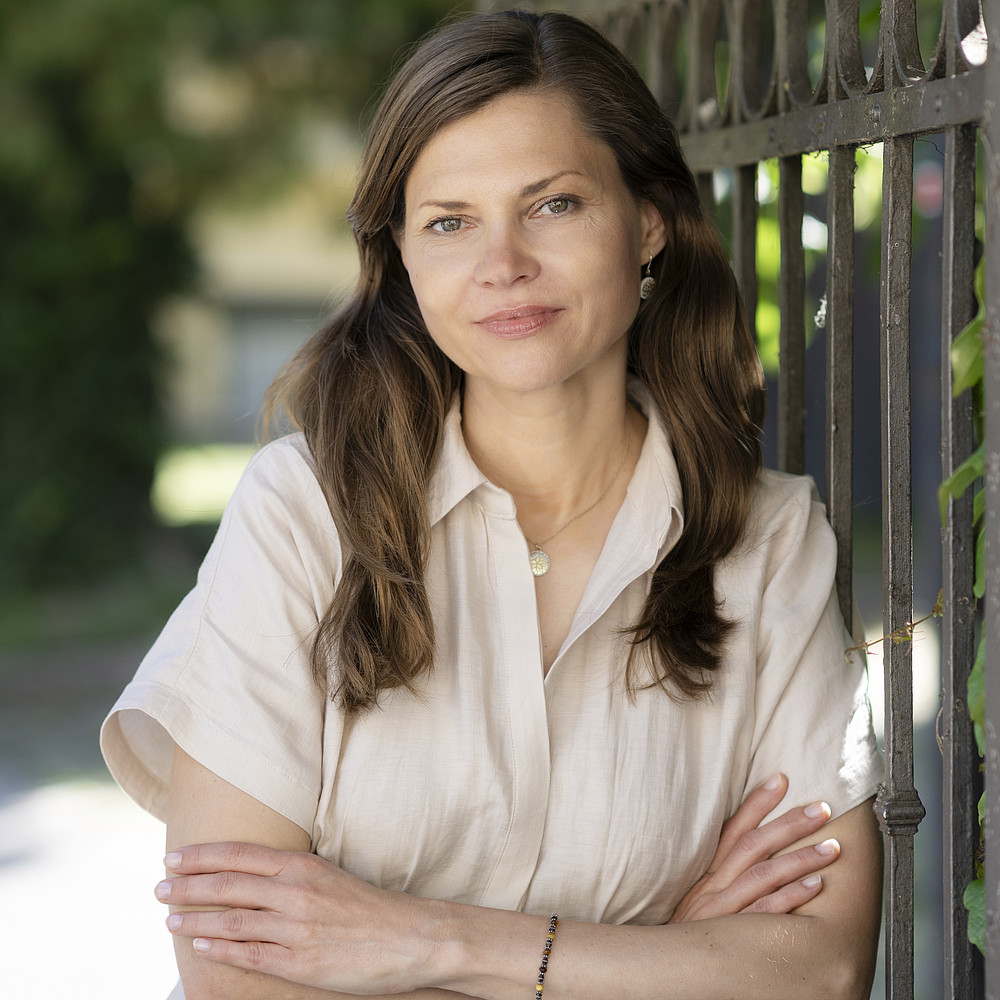
Prof. Dr. Ilona M. Otto
Ilona M. Otto holds a professorship in Societal Impacts of Climate Change at the Wegener Centre for Climate and Global Change at the University of Graz. She leads a research group on Social Complexity and System Transformation, focusing on social tipping dynamics and applying complex systems theory and interdisciplinary methods to analyse how social processes and interventions can accelerate systemic change in human-environment interactions.
Before joining the University of Graz, she spent ten years at the Potsdam Institute for Climate Impact Research. She has led and contributed to major international research projects on climate risks, health, and societal transformation, and her work has informed high-level reports, including contributions to the World Bank.
Alongside her research, she is a dedicated teacher and actively engages with stakeholders from academia, policy, business, and the wider public to advance sustainability transformations.
Prof. Dr. Tatiana Filatova
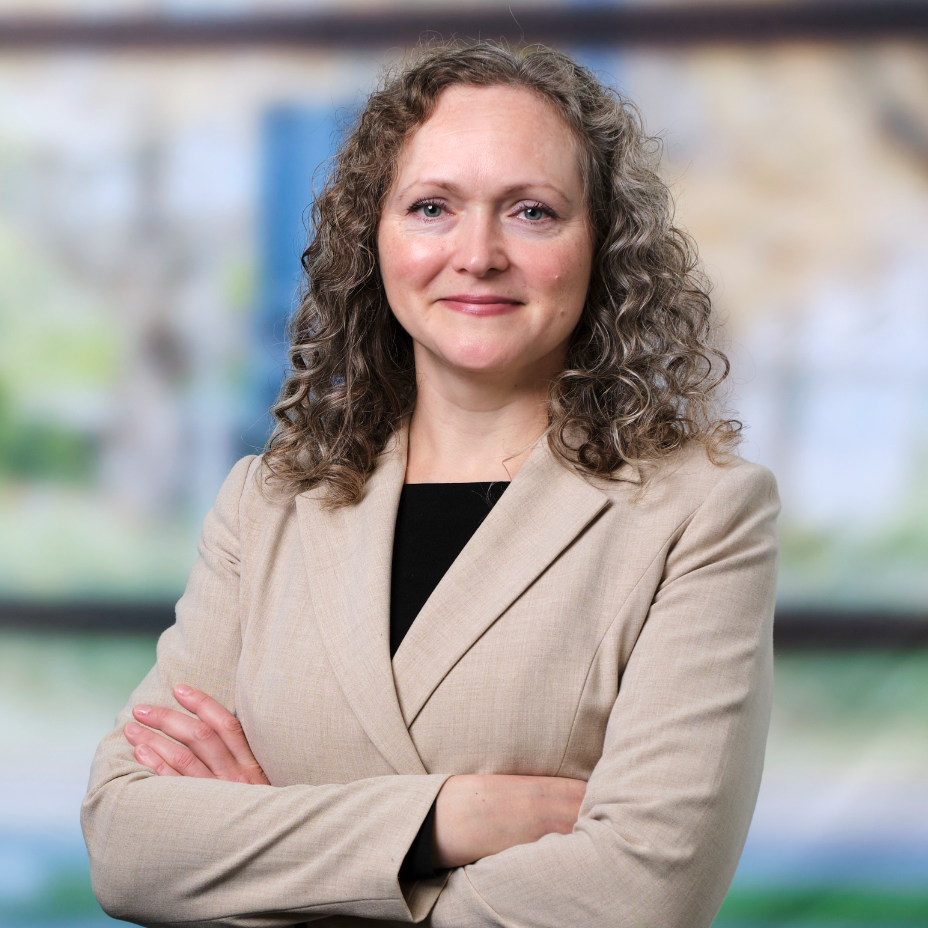
Tatiana Filatova is a Professor of Computational Economics of Climate Change at TU Delft, where she works on her ERC and VIDI projects on socio-economic tipping and systemic climate risks, and leads the Climate Governance Theme of the Delft Climate Action Programme. Her research focuses on exploring how socio-behavioural factors (risk perceptions, pro-environmental preferences, social norms) influence individual choices, and how these factors collectively drive the evolution of societal tipping dynamics within complex human-environment systems. Professor Filatova’s team combines surveys, (spatial) agent-based modelling and economic methods (econometrics, Computable General Equilibrium or Integrated Assessment Models).
Previously, Professor Filatova established and led the Strategic Research Programme ‘DeSIRE’ on the resilience of coupled socio-environmental-technical systems across the four Dutch technical universities, funding 37 academic positions studying abrupt tipping processes across social, environmental and engineering disciplines. Tatiana currently serves as Chair of the International Advisory Board of the Beijer Institute of Ecological Economics (Royal Swedish Academy of Sciences, Stockholm).
Prof. Tim Lenton
Professor Tim Lenton OBE is Chair in Climate Change and Earth System Science at the University of Exeter, where he was the founding Director of the Global Systems Institute. He has more than 25 years’ research experience, focusing on modelling the interaction between life and the Earth system, biogeochemical cycles, climate dynamics, and associated tipping points. Tim is world-renowned for his work identifying climate tipping points, which informed the setting of the “well below 2°C” climate target. Recently, he has highlighted the opportunities for positive tipping points to accelerate social change towards net-zero greenhouse gas emissions and global sustainability. In 2025, he was awarded an OBE “for services to understanding climate tipping points”.
Assoc. Prof. Mariusz Baranowski, Ph.D.
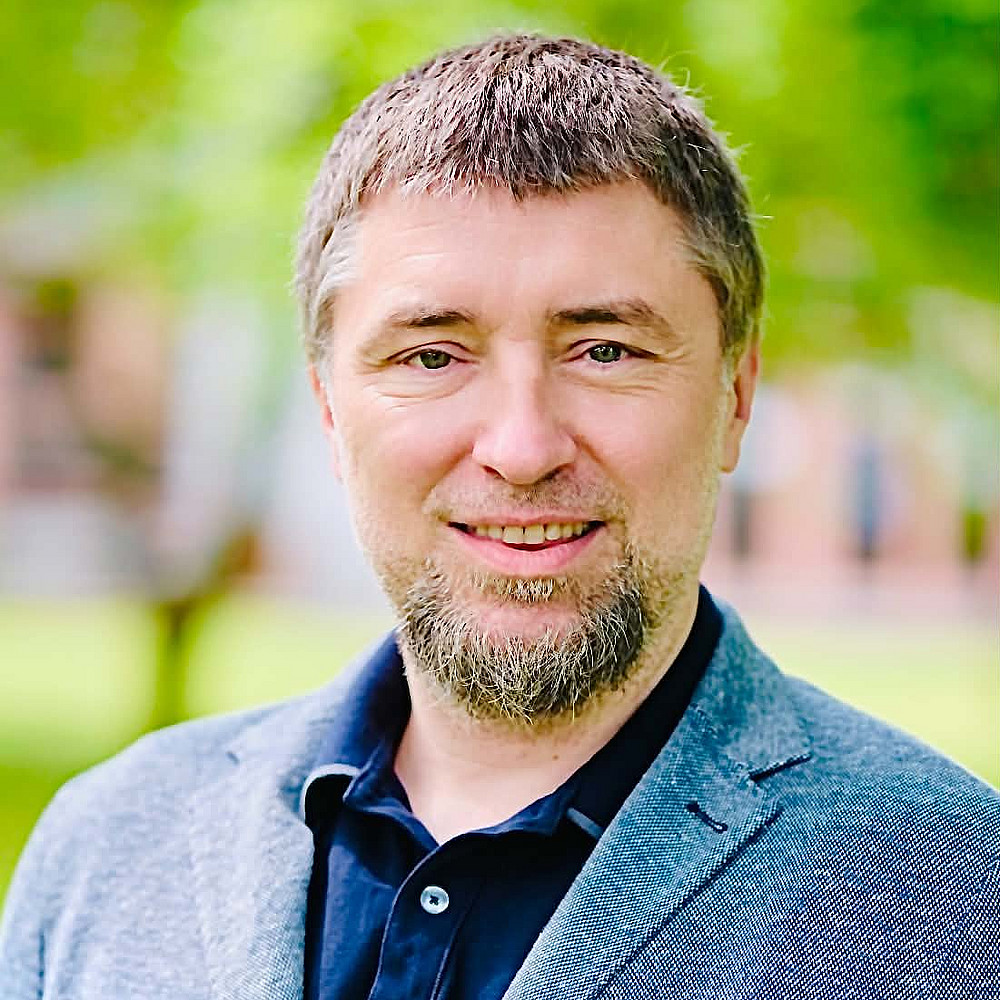
Mariusz Baranowski is an Associate Professor in the Faculty of Sociology at Adam Mickiewicz University, Poznań (Poland), where he works within the Department of the Study of Social Dynamics. His research examines the intersection of economic sociology, welfare structures, and systemic sustainability transformations, focusing on the socio-political and institutional determinants of the energy transition. Using comparative macro-sociological frameworks and multi-level perspectives, Prof. Baranowski investigates how institutional dynamics, geopolitical shifts, structural inequalities, and political orientations shape public attitudes towards environmental protection and determine societal responses to climate policies.
He is the Principal Investigator of the NCN OPUS-26 project exploring national determinants of energy transformation and European socio-technical imaginaries, and a lead investigator within the European Driving Urban Transitions (DUT) framework focusing on circular urban economies. Prof. Baranowski has established a strong international research presence, serving as a visiting scholar at leading global institutions, including multiple research stays at Stanford University, Johns Hopkins University, and the University of California, Berkeley, where his collaborative projects have addressed the geopolitical dimensions of critical minerals in just transitions.
Dr. Steven R. Smith
Dr. Steven R. Smith is a Research Fellow at the Global Systems Institute (GSI) at the University of Exeter and was previously a Hoffmann Fellow at the World Economic Forum, Geneva. He co-leads research on positive social tipping points at GSI and is a lead author of the Global Tipping Points Reports (2023/2025). Steven’s research interests span the social, economic, and political dimensions of the transition to a sustainable future. He has written papers for leading journals including Nature Climate Change, PNAS, Global Sustainability and Sustainability Science, produced reports for organisations including the OECD, WWF, and C40 Cities, and regularly presents his research at international conferences.
Prof. Carl Folke
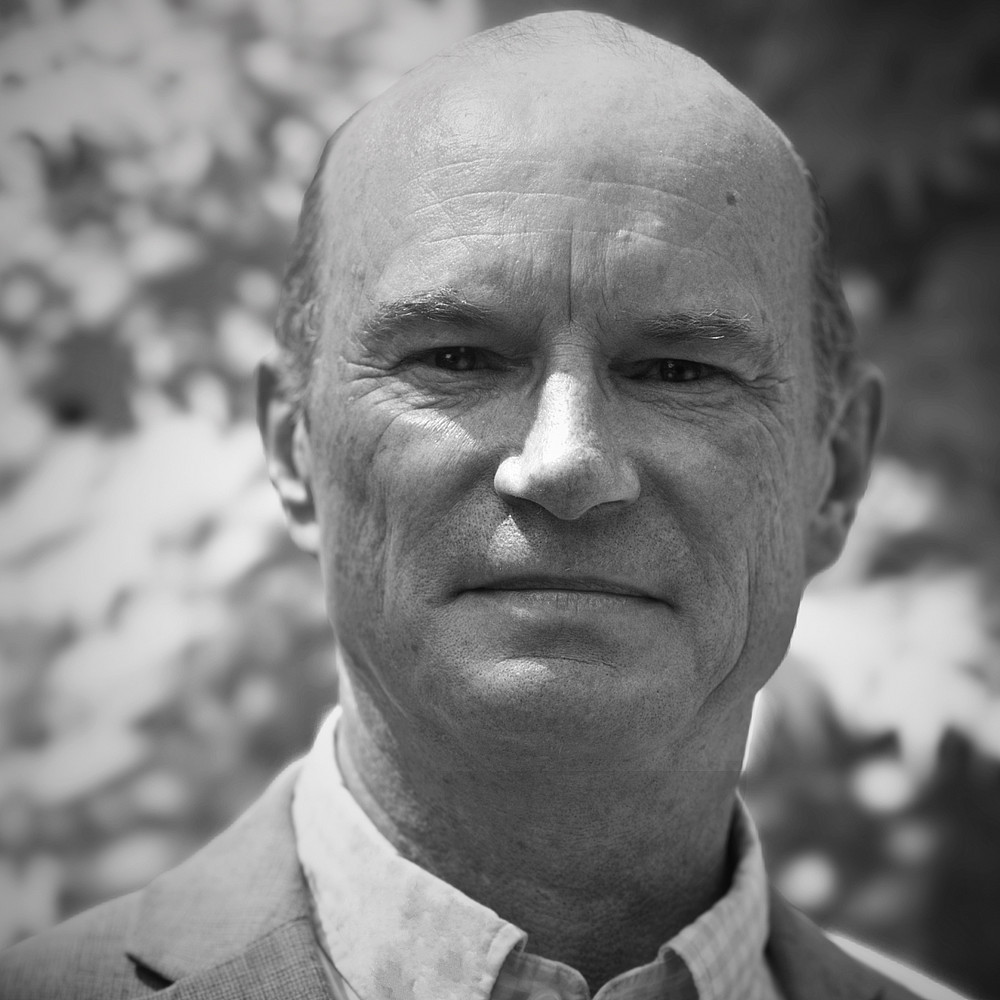
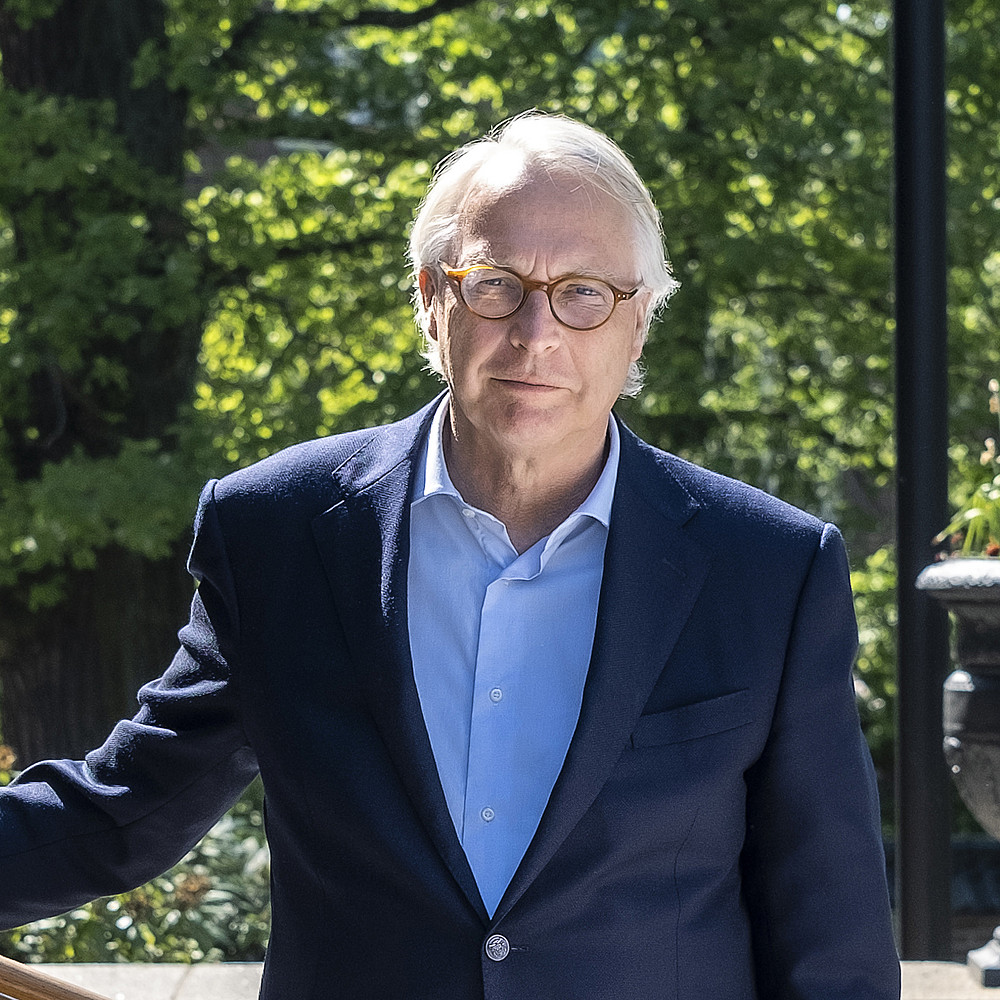
Professor Carl Folke is former Director of the Beijer Institute, Founder and Chair of the Scientific Committee of the Anthropocene Laboratory, the Royal Swedish Academy of Sciences, and Founder and Chair of the Board of the Stockholm Resilience Centre, Stockholm University, Sweden. He is a systems thinker in integrative science for sustainability with a focus on social-ecological systems, resilience, and how progress, prosperity and wellbeing will benefit from reconnecting development to the biosphere foundation. He has a long record of science, policy, and practice collaboration, working with key actors from local landscapes to international bodies and transnational corporations, and is genuinely engaged in the arts-science interface. He is elected member of the Royal Swedish Academy of Sciences and the U.S. National Academy of Sciences and has received international recognitions, like the Planet and Humanity Medal, the Gunnerus Sustainability Science Award, and the Heineken Prize for Environmental Sciences.
Prof. Dr. Sara Constantino
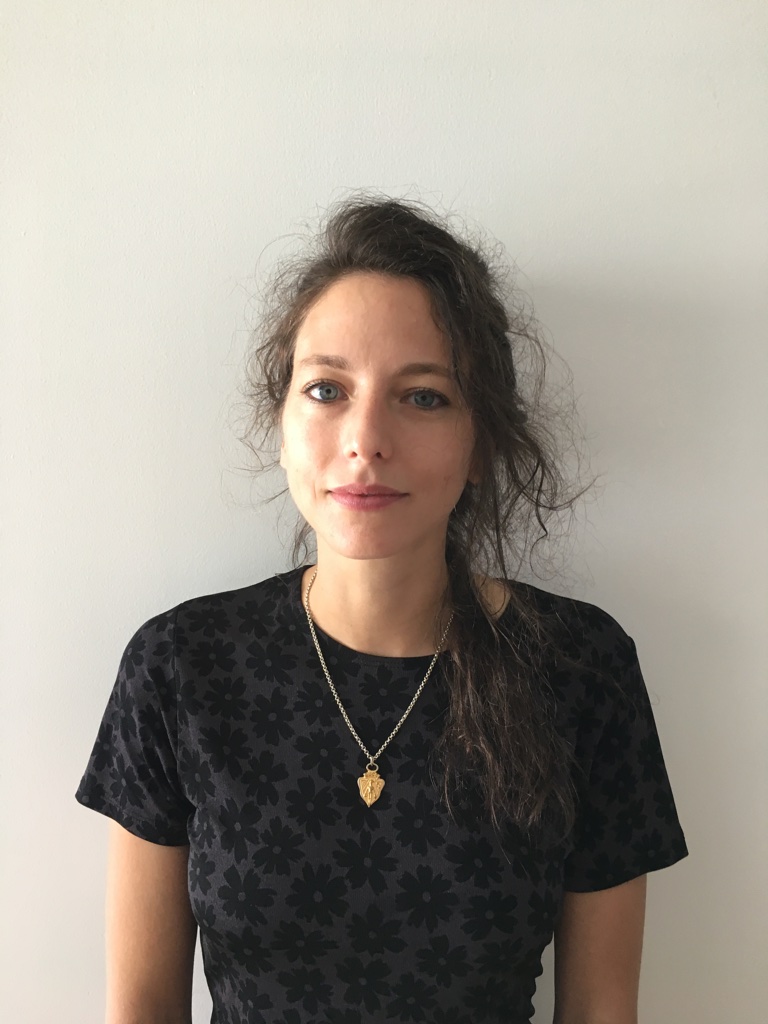
Sara Constantino is an assistant professor at the Stanford Doerr School of Sustainability in the Department of Environmental Social Sciences and a visiting research scholar at Princeton's School of Public and International Affairs. She is also a faculty affiliate at SPARQ, the Woods Institute for the Environment, the King Center for Global Development, and the Stanford Center for Human-Centered Artificial Intelligence. She has an interdisciplinary background at the intersection of economics, psychology, and environmental policy and politics. Her research focuses on understanding the interplay between individual, collective, institutional and ecological factors, including how they shape preferences, decisions, experiences and resilience to extreme events or shocks. In recent years, she has been particularly interested in understanding the conditions under which rapid social change emerges. Prior to starting at Stanford, she was an assistant professor in the School of Public Policy and Urban Affairs and the Department of Psychology at Northeastern University and a founding editor at Nature Human Behavior.
Prof. Matjaž Perc
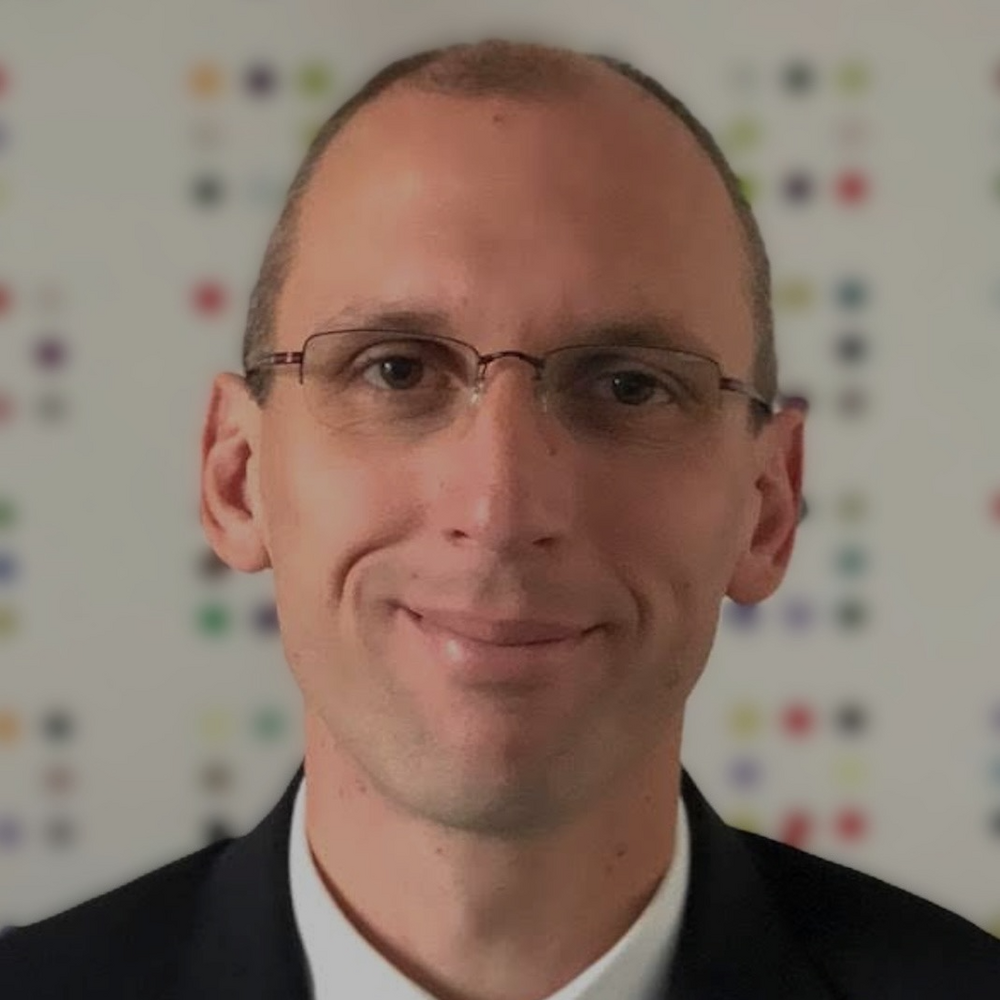
Matjaž Perc received his PhD in physics from the University of Maribor in 2006. He is currently Professor of Physics at the University of Maribor, Staff Researcher at the Dr Adolf Drolc Community Healthcare Centre in Maribor, and Adjunct Professor at Kyung Hee University and Korea University. He is a member of Academia Europaea and the European Academy of Sciences and Arts, and ranks among the top 1% of most cited physicists according to Clarivate Analytics data. He is also the 2015 recipient of the Young Scientist Award for Socio- and Econophysics from the German Physical Society, and the 2017 USERN Laureate. In 2018 he received the Zois Award, which is the highest national research award in Slovenia. In 2019 he became a Fellow of the American Physical Society. From 2021 to 2025 he served as Vice-Dean of the Class of Natural Sciences at the European Academy of Sciences and Arts.
Dr. Giacomo Marangoni
Giacomo Marangoni is an Assistant Professor of Policy Analysis at the Faculty of Technology, Policy and Management at Delft University of Technology in the Netherlands. His research combines simulation, optimization, and data-driven modelling, with particular expertise in uncertainty analysis, model coupling, and explainable AI. For over ten years he has developed and applied Integrated Assessment Models to investigate uncertainty in climate mitigation pathways, multi-objective climate policy design, the feasibility of clean energy transitions, technological innovation, and climate inequality.
He received his PhD in Management Engineering from the Polytechnic University of Milan and held a postdoctoral position at Penn State University before returning to Milan as an assistant professor. He remains affiliated with the European Institute on Economics and the Environment. Most of his current work is carried out under his ERC Starting Grant project, RIPPLE, which advances the integrated modelling of positive tipping points for the green energy transition, focusing on technological innovation, material bottlenecks and early techno-economic signals of tipping dynamics.
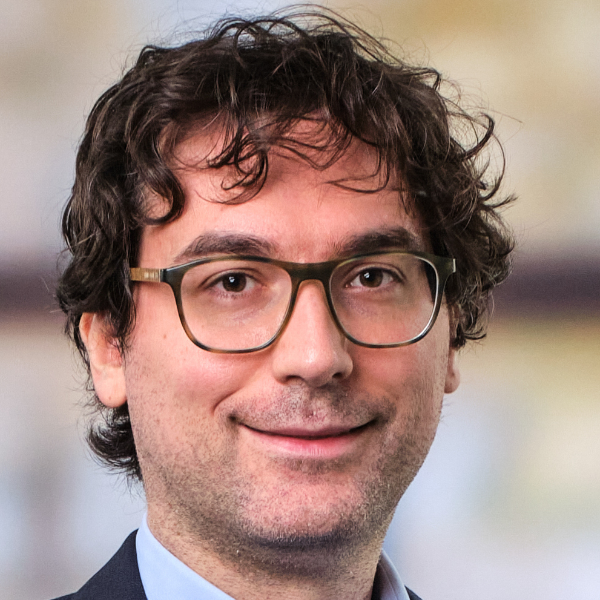
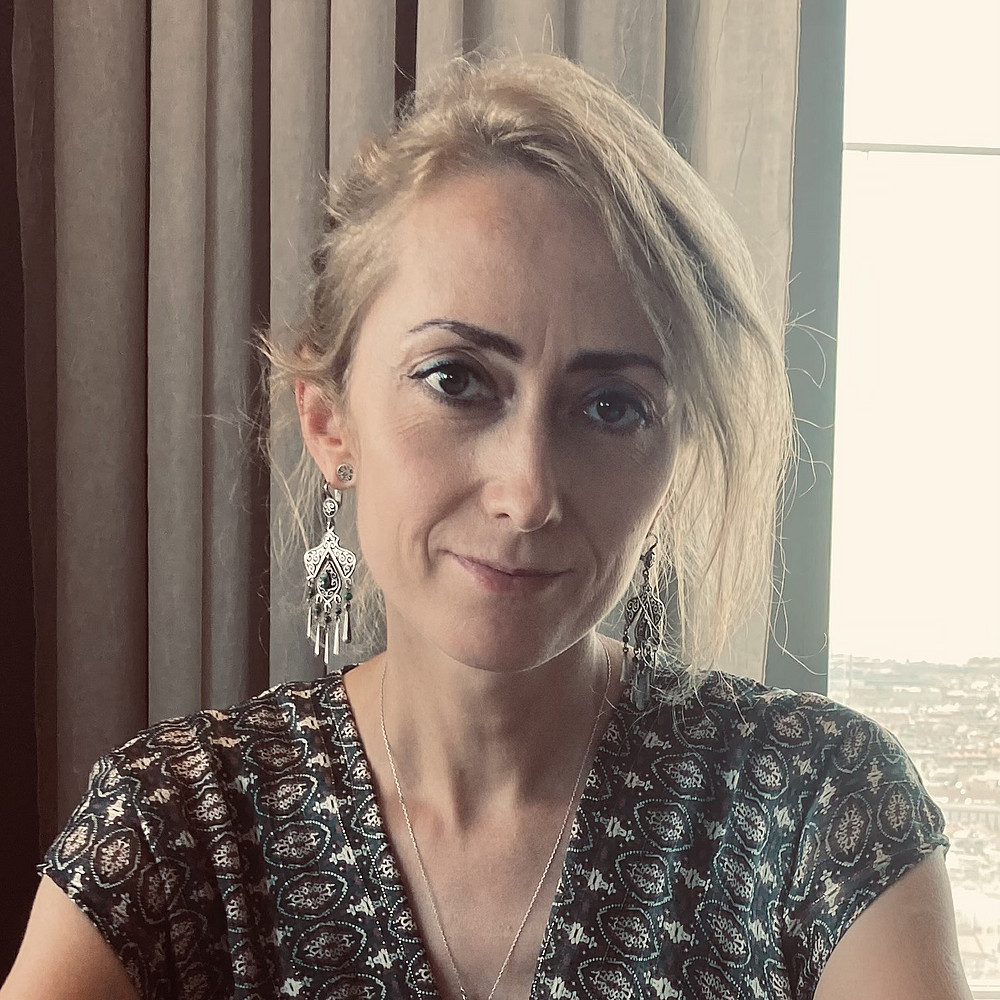
Prof. Viktoria Spaiser
Viktoria Spaiser is Professor of Climate Politics and Computational Social Science at the University of Leeds, UK, with affiliations at the Priestley Centre for Climate Futures. She holds the prestigious UK Research & Innovation (UKRI) Future Leaders Fellowship. With a multidisciplinary background that combines sociology, computer science, and political science, her research centres on climate politics, social change in response to climate change, negative and positive social tipping points and governance of Earth System Tipping Points. She has contributed to the landmark Global Tipping Points Reports, amongst others exploring how grassroots climate mobilization and normative shifts can act as vital catalysts for systemic change. She has also pioneered research into negative social tipping points to understand how an increasingly destabilised Earth system can trigger adverse societal dynamics that reinforce climate vulnerability and impede positive transformations. To study complex socio-ecological interactions, she applies amongst others advanced computational methodologies, such as LLM-fused Agent-Based Modelling and dynamical systems analysis.
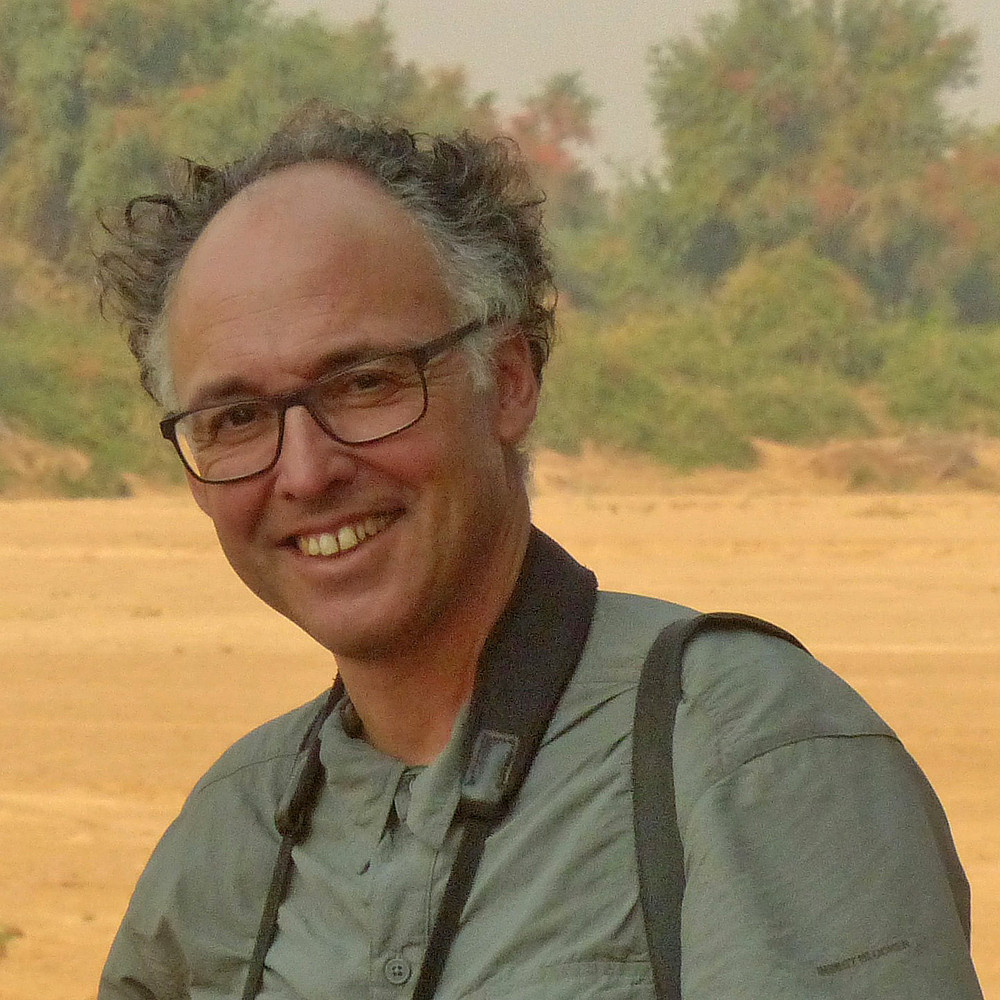
Dr. J. David Tàbara
Dr. J. David Tàbara is an independent social scientist with over three decades experience in international interdisciplinary research on climate transformations and sustainable development strategies, associated to the Global Climate Forum in Berlin and to the Autonomous University of Barcelona. Among others, he contributed to the first book on Public Participation in Sustainability Science (Cambridge University Press 2003), to Reframing the Problem of Climate Change From Zero Sum Game to Win-Win Solutions. (Earthscan 2012; co-edited with Nobel Prize Klaus Hasselman), and as Lead Editor to the book on Positive tipping points towards sustainability (Springer 2024). He has been a member of the Earth Commission Working Group on Transformations and a convener of the International Transformations Conference 2021.
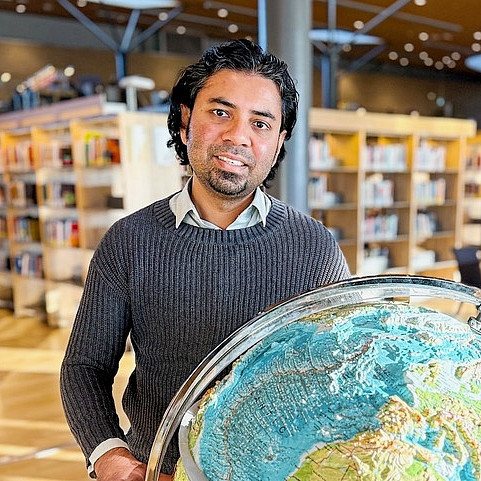
Dr. Avit Bhowmik
Dr. Avit Bhowmik is an internationally recognized environmental scientist and climate solutionist. For the past decade, Avit has advanced research on rapid climate action and positive social tipping points. He contributed to the conceptual development of positive social tipping points as well as to identifying the scales to maximise the benefit of those tipping interventions.
Avit has published several scientific articles in highly ranked international peer-reviewed jounrals including in the Proceedings of the National Academy of Sciences (PNAS). He played a key role in several reports and policy docemnts released in the Conference of the Parties (COP), Global Climate Action Summits and United Nations High Level Political Forums outlining pathways to exponentially reduce greenhouse gas emissions and abruptly transform societies to achieve Sustainable Development Goals. Avit advises municipalities, bioregions and national and international scale industries and NGOs about strategising climate action and sustainability transformation plan. Avit is an author of "1.5°C Business Playbook".
Dr. Sibel Eker
Dr. Sibel Eker is a Senior Research Scholar at International Institute for Applied Systems Analysis (IIASA) in Austria. Her interdisciplinary research profile combines systems analysis and engineering, decision sciences and social sciences, and her work brings systems thinking and uncertainty focus to climate change and sustainability problems with model-based approaches. Complementing her academic experience, she has worked with several stakeholders and policy actors such as UK DBEIS, World Bank, EIT-Climate KIC, governmental and private organizations.
Her current research interests center around the drivers and implications of demand-side climate change mitigation, sustainable diets, and co-production of mitigation and sustainability scenarios through simple integrated assessment models.
Sibel is a selected member of Global Young Academy where she co-led the Scientific Excellence Working Group; a Lead Author in UNEP’s Global Environment Outlook (GEO-7); and an editorial board member of Humanities and Social Sciences Communications and Mitigation and Adaptation Strategies for Global Change. She taught system dynamics modelling at Nijmegen School of Management as a tenured Assistant, and then as an Associate Professor between 2021 and 2025.
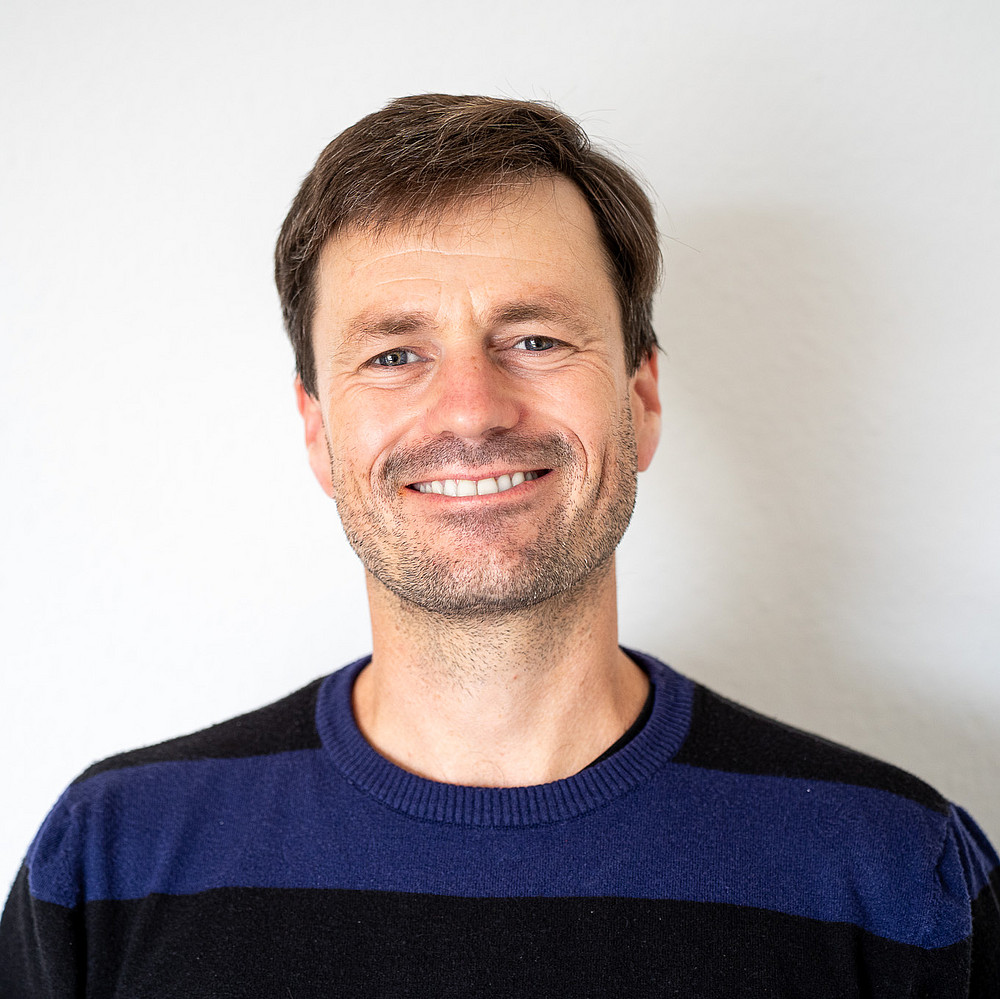
Dr. Thomas Elliot
Thomas Elliot is an Assistant Professor at Aalborg University in Denmark working with system dynamics models and life cycle assessment to identify tipping thresholds and quantify benefits of pro-environmental behaviour changes.